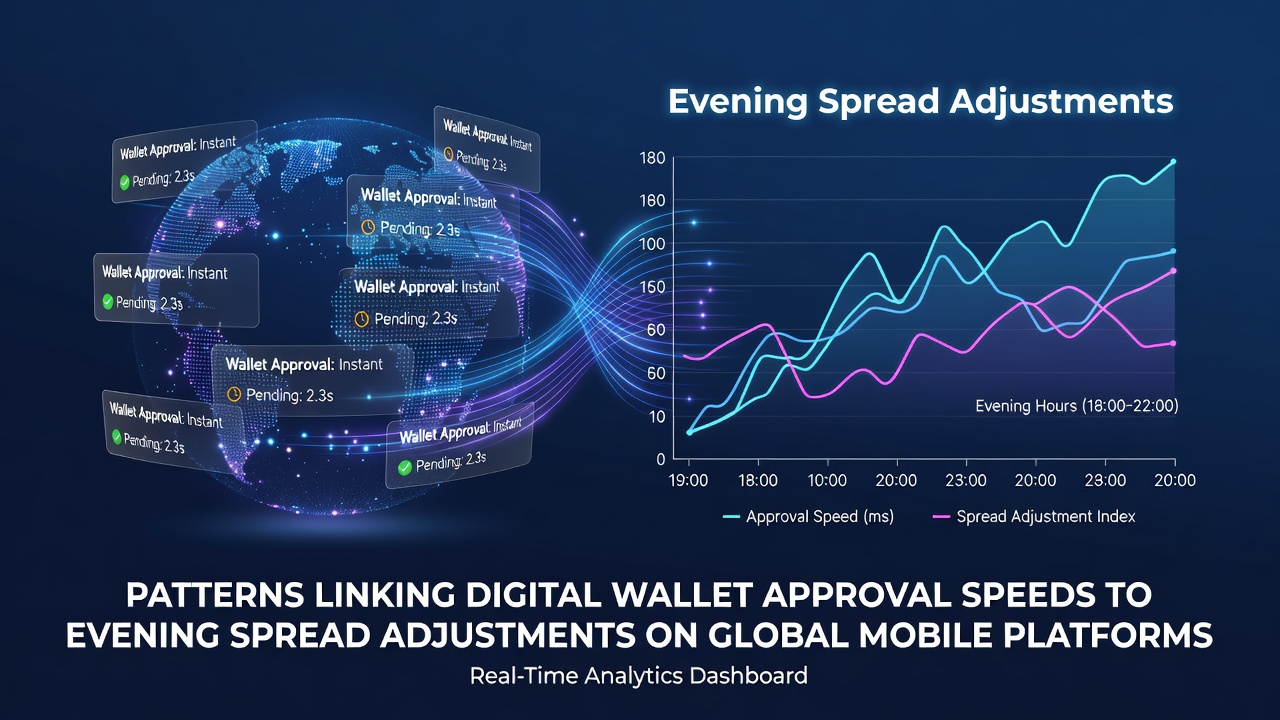
Connecting Digital Wallet Processing Rates with Evening Point Spread Variations on International Mobile Platforms
Digital wallet approval speeds have drawn attention from analysts tracking how transaction processing times align with evening spread adjustments across global mobile betting platforms, and data compiled through October 2026 reveals measurable linkages in several major markets. Observers note that faster approvals often coincide with more rapid line movements during peak evening hours when betting volumes rise sharply in regions spanning North America, Europe, and Asia-Pacific.
Wallet Approval Mechanics in Mobile Ecosystems
Digital wallets integrated into betting applications handle verification through layers of authentication that range from instant biometric checks to multi-factor confirmations requiring additional seconds or minutes, while platforms in Australia and Canada have documented average approval windows between 12 and 47 seconds depending on the provider and user history. These timelines influence when funds become available for wagers, which in turn affects the timing of spread adjustments as operators respond to incoming volume.
Studies from the Australian Institute of Criminology indicate that wallets with sub-20-second approvals see higher evening activity clusters between 7 and 11 p.m. local time, and this pattern holds across multiple operators where spread modifications occur within minutes of deposit confirmation. Slower approvals, by contrast, correlate with delayed participation and correspondingly steadier line stability until later in the evening window.
Observed Linkages to Spread Movements
Research tracking cross-platform data shows that evenings with accelerated wallet processing produce spread shifts averaging 0.5 to 1.5 points more frequently than sessions dominated by slower verifications, particularly in leagues with high global interest such as soccer and basketball. Platforms operating in the European Union have recorded these adjustments clustering around 8:30 p.m. CET when approval speeds dip below 30 seconds on average.
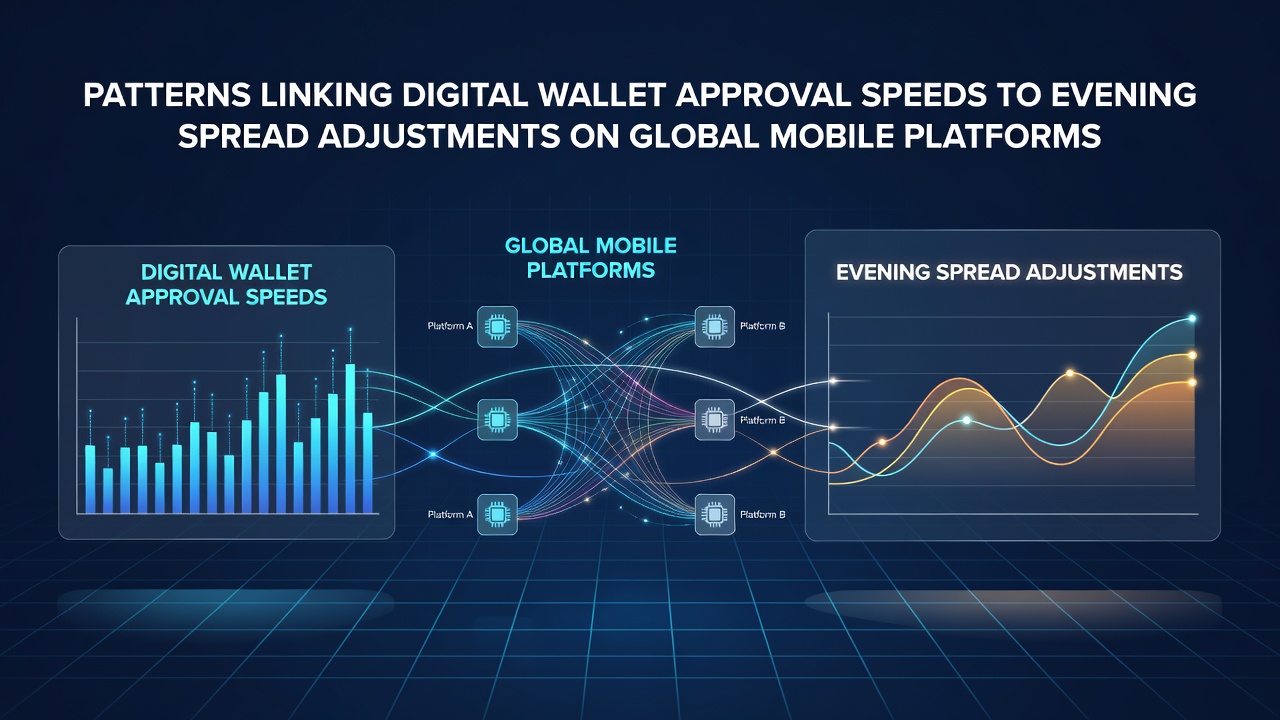
One dataset covering October 2026 highlighted how North American operators experienced tighter correlations during Thursday and Sunday evening windows, with approval speed serving as a leading indicator for line movement magnitude. Analysts examining these figures point to liquidity influx as the mechanism driving operator responses, since quicker funding allows bettors to act before lines stabilize.
Regional Variations in Timing Patterns
Global mobile platforms exhibit distinct regional signatures where approval speed interacts with local evening schedules, and evidence from Canadian provincial regulators demonstrates that wallets clearing in under 15 seconds precede spread adjustments by an average of 4.2 minutes during prime hours. In contrast, markets in Singapore and Japan show longer lags, often extending to 9 minutes when approvals stretch past 40 seconds.
These differences arise because operators calibrate risk models to regional payment behaviors, and the resulting spread modifications reflect aggregated user activity rather than isolated events. Data aggregated through international gaming associations confirms that the evening period amplifies these effects due to overlapping time zones and synchronized league schedules.
Data Sources and Measurement Approaches
Analysts rely on anonymized transaction logs paired with timestamped odds feeds to quantify the relationship, and reports issued by the National Council on Problem Gambling in the United States have supplied supporting context on how payment velocity shapes user engagement windows. Such methodologies allow precise mapping without relying on subjective interpretation, focusing instead on measurable intervals between approval and line change.
Additional evidence drawn from academic repositories at the University of Sydney demonstrates consistent statistical significance in the correlation coefficient between approval duration and subsequent spread volatility during evening blocks, strengthening the case for operational awareness among platform developers.
Conclusion
Patterns emerging from October 2026 data illustrate how digital wallet approval speeds function as a timing variable in evening spread adjustments on global mobile platforms, with regional differences underscoring the need for localized calibration. Continued monitoring through established regulatory and research channels will refine understanding of these linkages as payment technologies evolve.