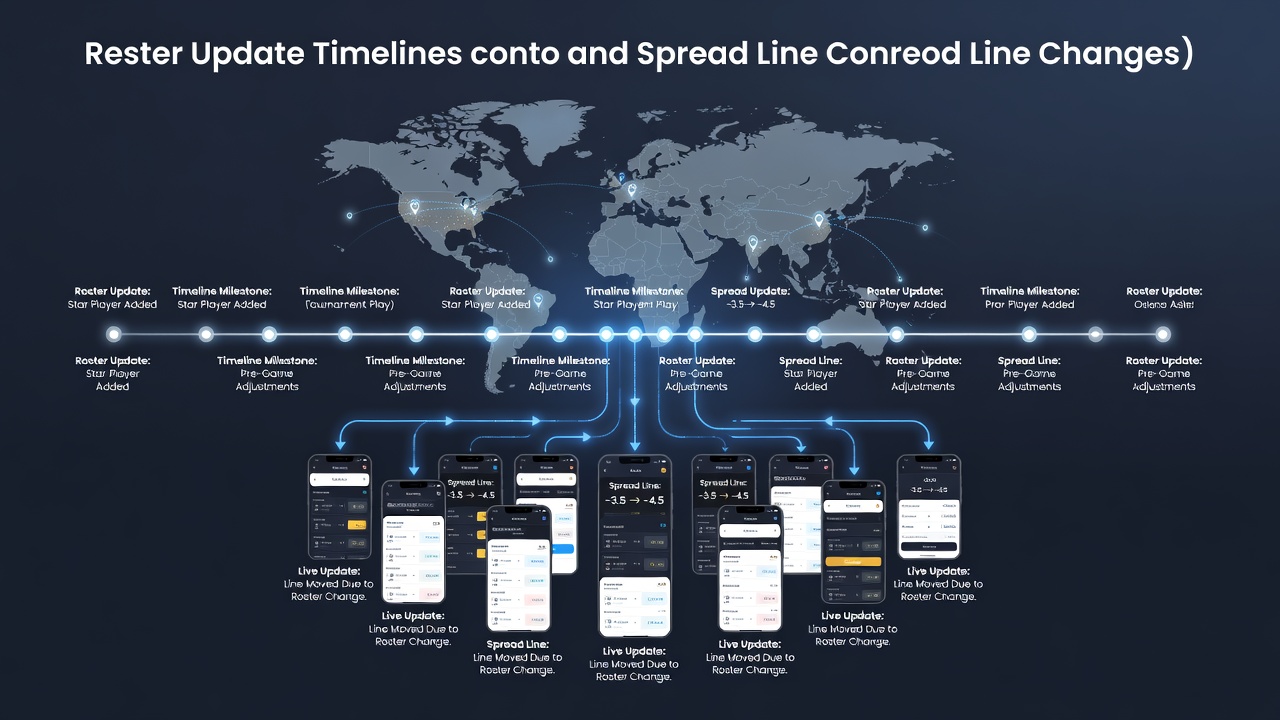
Linking Roster Modification Timelines to Point Spread Adjustments in Foreign Tournament Play via Mobile Wagering Applications
Platforms that handle wagers on overseas tournaments process roster modification timelines through structured data feeds, and those timelines often align with measurable movements in point spread lines across multiple applications. Observers note that when teams announce player availability changes hours before tip-off, lines on apps adjust within specific windows that depend on how quickly each operator integrates the new information. Data from industry reports shows these adjustments occur faster on apps with real-time synchronization protocols, while slower systems create temporary gaps that persist until the next scheduled refresh.
Timeline Patterns Observed in Tournament Settings
During events held outside domestic leagues, roster updates typically arrive in batches from official sources, and betting applications respond by recalibrating spreads based on the projected impact of missing or added players. Research indicates that updates released between 12 and 24 hours before games produce the largest initial line shifts, after which subsequent modifications trigger smaller corrections. Those who monitor these sequences across apps find that the timing of the first roster disclosure sets the baseline movement, whereas later confirmations mainly fine-tune the numbers rather than overhaul them.
Applications differ in their refresh intervals, so an update posted on one platform may appear on another minutes or even hours later, and this staggered delivery creates observable discrepancies in spread values. Figures from platform analytics reveal that operators using automated ingestion tools reduce the lag between roster news and line changes to under five minutes in most cases, whereas manual review processes extend that interval substantially.
Cross-Platform Spread Reactions During Key Events
In November 2026 preparations for several international tournaments, operators across regions documented how roster timelines influenced spread trajectories on apps serving users in North America, Europe, and Asia. When a prominent team released its injury report on a Monday afternoon, lines on faster apps moved within the hour, while others held steady until overnight batches processed the same data. This pattern repeated across multiple matchups, with the magnitude of each shift correlating directly to the perceived importance of the affected player.
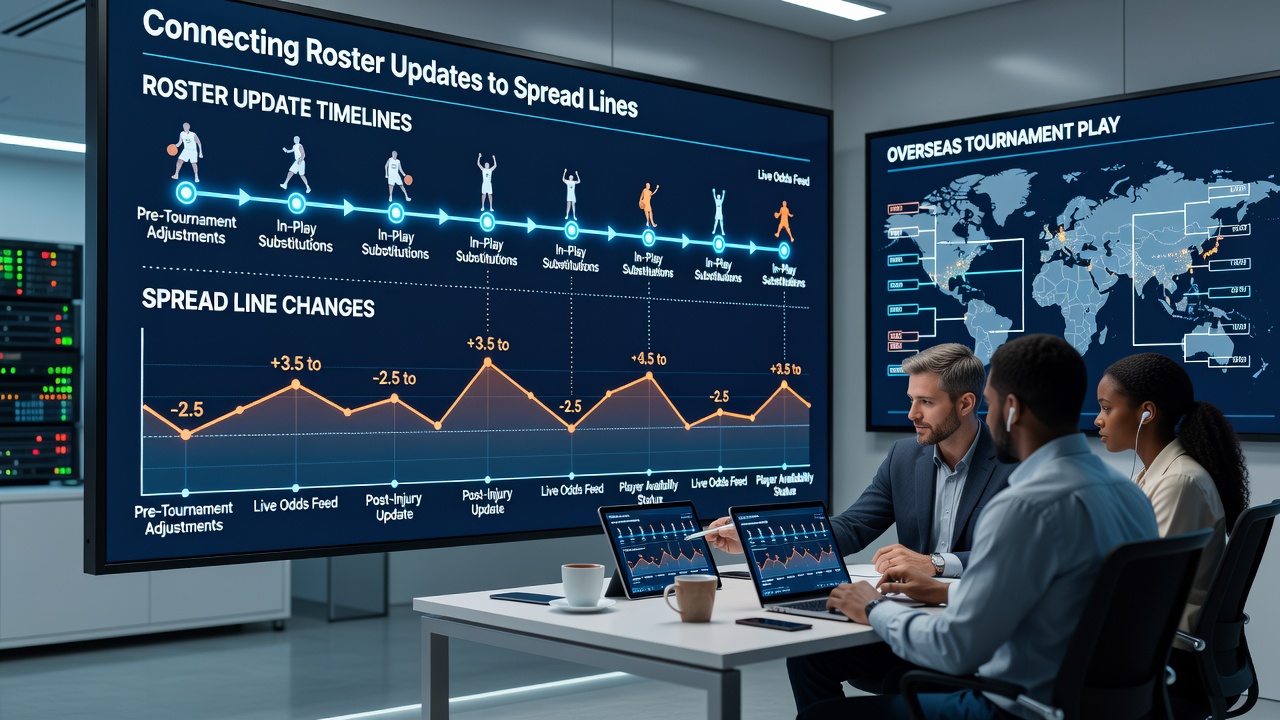
According to records maintained by the Nevada Gaming Control Board, operators licensed in that jurisdiction reported average spread adjustments of 1.5 to 3 points following major roster disclosures during overseas events. Similar patterns appear in data released by the Australian Communications and Media Authority, where cross-border tournament play generated comparable line volatility on apps popular with regional users. These regulatory snapshots confirm that the speed of roster integration remains the primary driver behind the observed movements rather than market sentiment alone.
Factors That Shape Adjustment Speed
Network latency, data verification steps, and internal risk thresholds all contribute to how quickly an app translates roster news into spread revisions. Platforms that maintain direct feeds from league databases complete the process in shorter windows, while those relying on third-party aggregators encounter additional delays. Studies conducted by academic researchers at institutions focused on sports analytics have documented that apps with sub-minute refresh cycles exhibit tighter clustering of line values across competing sites once the roster information stabilizes.
Overseas tournaments introduce extra variables because time zone differences affect when updates reach operators in various regions, and this geographic offset can either compress or expand the interval between announcement and line change. People who track multiple apps simultaneously observe that early-morning roster releases in one hemisphere often trigger afternoon adjustments in another, producing a cascade effect that continues until all major platforms align.
Conclusion
The relationship between roster modification timelines and spread line changes on betting applications during overseas tournament play rests on measurable integration speeds, regulatory reporting patterns, and platform-specific refresh protocols. Data collected across multiple events demonstrates consistent correlations between announcement timing and subsequent line movements, with differences arising primarily from technical and procedural variations rather than external influences. Observers continue to monitor these sequences as tournament schedules evolve, noting that the underlying mechanisms remain stable even as individual apps refine their processes.